Fayette County Court Records help users find case filings, hearing dates, judgments, and docket activity through public court systems. People searching Fayette County Cases can review civil, criminal, family, and probate matters by using official lookup tools. The Fayette County Court keeps records that show case progress, scheduled hearings, and filed motions. Many users search by case number, party name, or filing date for faster results. Public databases often display summaries, docket entries, and court calendar details. This page helps users locate trusted sources for records lookup and current case data. Accurate search methods improve speed and reduce missed case information.
Fayette County Dockets track each step of a case from filing through final order or dismissal. Users can use an online case search tool to review hearing schedules, judge assignments, and recent filings. The Fayette County Court system may list civil disputes, criminal charges, family actions, and probate matters. Search results can vary based on case type, court rules, and privacy limits. Some sealed files or juvenile matters may stay unavailable to the public. Using full names or exact case numbers often gives better results in Fayette County Court Records systems. This section helps users search court cases quickly with clear and relevant information.

How to Search Fayette County Court Records
The fayette county court records search process starts on the county official website or trusted clerk portal. Users can complete a fast case lookup by entering a name, applying filters, and opening the correct case file. Many users search court records for hearing dates, filing history, judgments, and party details. This section explains each step in a clear format so users can find public case data with less delay.
Visit Official Website
Start on the Fayette County court official website https://courts.fayette-co-oh.com/recordSearch.php These sources usually post the most current records and docket updates. Public systems often list civil, criminal, family, probate, and traffic case search options. Users should choose the correct division before starting a search. Some portals ask users to accept terms before entry. That step helps protect data use rules. Official sources often provide better accuracy than outside sites.
| Best Search Source | What It May Show |
|---|---|
| Court Website | Case status, hearings, dockets |
| Clerk Portal | Filings, party names, record index |
| Public Search Page | Basic case lookup results |
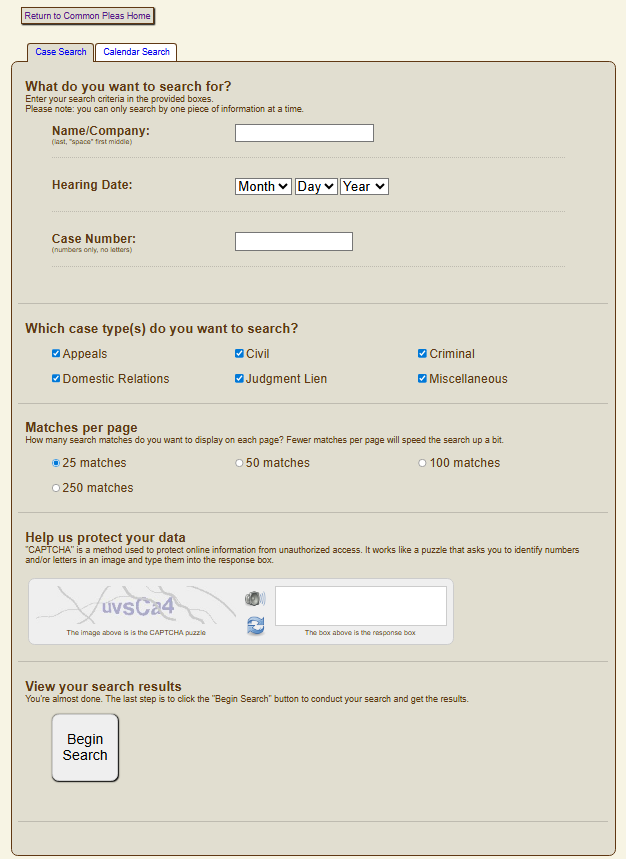
Enter Last Name
Most users begin with a last name search. Exact spelling often gives cleaner results in the fayette county court records search system. If the surname is common, users may add a first name. Some tools allow business name searches for civil matters. Case number search may give the fastest direct result. Short and exact entries often reduce duplicate matches. Careful name entry saves time.
Use Filters
These options improve case lookup speed. They help users find the correct file when many names match.
Filters help narrow results after the first search. Users may sort by:
- Case type
- Filing year
- Open or closed status
- Court division
- Date range
View Case Details
After choosing a result, users can open the case page. Many records show filing date, judge name, parties, and docket entries. Some pages list future hearing dates and courtroom details. Civil files may show motions, orders, and judgments. Criminal files may show charges and court actions. Family matters may have limited public data. Users should review dates carefully before relying on any record.
Download Records if Available
Some public systems allow file downloads. Available records may include docket sheets, court orders, complaints, or judgments. A few documents may require a fee or account sign-in. Restricted matters may stay hidden under court rules. Users should save files with clear names for later use. Checking the latest upload date can prevent errors. This final step completes the fayette county court records search process.
Search Fayette County Cases by Case Number
A case number search is often the fastest way to find the correct court file. Entering the exact docket number can reduce duplicate name results and lead directly to the matching case. Each case number usually contains a filing code, year, and sequence number. The prefix often identifies the case type. This method is useful for attorneys, parties, employers, and record researchers who already have the file reference.
Common Case Number Examples
- CV-2026-00125 – Civil case filing
- CR-2026-00421 – Criminal case filing
- DR-2026-00210 – Domestic relations or family filing
How to Use Case Number Search
Enter the number exactly as shown in the search field. Include dashes if the system uses them. An exact match lookup usually returns one result or a short list. If no result appears, check spacing, digits, and year.
What Filing Codes Mean
Many systems use short prefixes to identify case type. CV often means civil, CR may mean criminal, and DR may mean divorce or family matters. Local court coding can vary, so users should review the county search page for current formatting rules. Using a docket number is one of the most accurate ways to search Fayette County Cases quickly.
Fayette County Court Records Search Online
Fayette County court records can often be found through an online records portal that lists public case details, filings, and docket activity. Users can complete a fast court records search by using a name, case number, or filing date in the county public database. A strong case lookup method helps users find civil, criminal, probate, and family matters with fewer errors. Many systems show party names, filing dates, hearing events, and current status. Exact search terms often return better results than broad searches. This section explains the best ways to search quickly and correctly. Clear steps help users save time and avoid missed records.
How to Search by Name
Name search is the most common method for Fayette County court records. It works well when the case number is unknown. Exact spelling often improves results. If many names appear, use middle initials or filing year to narrow the list.
Steps:
- Open the county online records portal.
- Select Search by Name.
- Enter the last name first.
- Add first name if available.
- Choose a case type if filters appear.
- Review matching results.
- Open the correct file for details.
How to Search by Case Number
Case number search is often the fastest case lookup option. It gives direct results when the number is correct. This method helps users skip large result lists. It is useful for attorneys, parties, and record requests.
Steps:
- Visit the county public database.
- Select Search by Case Number.
- Enter the full case number.
- Check letters, dashes, and digits carefully.
- Submit the search.
- Open the case record page.
Search by Filing Date
Date search works well for recent cases or daily filings. It helps users review records entered during a selected time period. Date filters help track fresh filings, hearing notices, and new docket entries.
Steps:
- Open the court records search page.
- Select Filing Date Search or date filter.
- Enter a start date.
- Enter an end date.
- Add case type if needed.
- Run the search.
- Sort results by newest or oldest.
Fayette County Cases Lookup
Fayette County Cases can be searched by category, party name, or case number through county court record systems. Users often review civil cases, criminal cases, family law matters, and probate filings to check status, hearing dates, and filed documents. The county court system separates records by division so users can find the right case faster. Many searches show docket activity, filing dates, party names, and court outcomes. Some files may remain limited under privacy rules. This section explains the most common case types found in public court records.
Civil Cases
Civil cases involve disputes between people, companies, landlords, or organizations. These matters usually request money damages, contract enforcement, or a court order instead of criminal penalties. Common examples include contracts, unpaid invoices, injury claims, property damage matters, and lawsuit records tied to business disputes. Debt collection filings are common civil matters where creditors seek payment through the court. Users searching Fayette County Cases often review judgments, hearing dates, and motion activity in civil dockets.
Criminal Cases
Criminal cases involve charges filed after an alleged violation of law. Public records may show arrest dates, charge details, plea hearings, trial settings, and sentencing updates. Common matters include felony charges, misdemeanor offenses, and traffic cases such as license issues or reckless driving. Some records may list bond hearings, probation violations, or warrant activity. Search users often review criminal dockets for next court dates and current case status.
Family Court Cases
Family court handles legal matters involving marriage, children, and household support. Many users search these files for updates in family law proceedings. Common matters include a divorce case, a custody case, child support disputes, and spousal support orders. Protection order requests may appear in this division as well. Some family records may have limited public visibility when minors or sensitive details are involved.
Probate Cases
Probate court handles matters connected to estates, guardianship, and property after death. Public records may include wills, estates, executor appointments, and court approvals for asset transfers. Heirs and legal representatives often review probate dockets for filing dates and hearing schedules. Guardianship cases may appear when a court appoints help for an adult or child. Searching probate within Fayette County Cases helps users find the right file faster.
Fayette County Dockets & Hearing Information
Fayette County dockets show the timeline of a court case, including filings, scheduled events, and judge actions. Users searching hearing information or a court calendar can review upcoming dates, prior hearings, and case progress through official court record systems. A docket works like the history of a case from filing through final order. It may list motions, continuances, trial settings, and payment updates depending on the case type. Many users check dockets to confirm a hearing date, review status changes, or prepare for court. This section explains how dockets work and how to read calendar details with less confusion.
What Is a Court Docket?
A court docket is the running list of activity in a case. Each entry usually includes the date, event type, and short note about what happened. The Fayette County dockets system may include new filings, summons issued, responses filed, and judge orders. It can show when a motion hearing was scheduled or moved to another date. Criminal dockets may list arraignment, plea, or sentencing events. Civil dockets may show motions, discovery filings, or trial settings. Many users rely on dockets to track whether a case is active, delayed, or closed. Docket entries often appear in date order, with the newest item listed first or last depending on the system.
How to Check Hearing Dates
Users can check hearing information by searching the case number or party name in the court portal. After opening the case page, the docket often lists the next scheduled event and time. Some systems place future dates in a separate court calendar tab. This area may show courtroom number, assigned judge, and hearing type. A listed hearing date may change if the court grants a continuance or reschedules the matter. Users should review the record often before attending court. Same-day updates can happen in busy court divisions.
Calendar Codes
Many calendars use short codes to save space. These codes identify event type, courtroom location, or case stage. Reading the full case page often helps explain code meanings. If a code is unclear, the clerk office may provide public calendar help. Reviewing Fayette County dockets with the calendar notes can help users prepare for the next court event.
Here it is:
- TR may refer to trial setting
- PT may refer to pretrial hearing
- REV may refer to review hearing
- ARR may refer to arraignment
- CR1 / CR2 may refer to courtroom numbers
- Judge initials may identify the assigned courtroom
Fayette County Public Records
Fayette County public records include many government files that help users verify legal, property, and personal record details. Common searches involve court files, marriage records, property records, jail bookings, probate matters, and other county documents. Many public records are available through county offices, clerk systems, recorder databases, or law enforcement portals. Some files can be searched online, while others may require an in-person request. Privacy laws may limit sensitive details in certain matters. This section explains the most requested record categories and where users usually search.
Court Records
Court records are among the most searched Fayette County public records. These files may include civil lawsuits, criminal charges, family matters, probate actions, and traffic cases. Users often search for hearing dates, judgments, docket activity, and party names. Some sealed or juvenile matters may remain unavailable to the public. Court records are commonly managed by the clerk of court.
Marriage Records
Marriage records often include marriage licenses, certificate filings, and recorded unions filed with the county. Many users request these files for name changes, insurance matters, passport paperwork, or family history research. Older records may be archived in county storage systems. Certified copies may require identity proof and payment of copy fees. Search rules can vary by filing year.
Property Records
Property records help users review ownership history, deed transfers, parcel details, and tax-related filings. Buyers, sellers, lenders, and title researchers often use these records before real estate transactions. Recorded mortgages, liens, easements, and releases may appear in county land systems. Parcel maps or assessed value data may be listed through separate tax offices. Accurate parcel numbers often improve search results.
Jail / Arrest Records
Jail and arrest files are common public searches. These may include booking dates, charges, bond details, release status, and inmate housing data when allowed by law. Inmate records can help families locate custody status. Some users search active warrants or recent arrests through sheriff systems. Data may change often as court actions occur.
Probate Records
Probate files involve estates, guardianship matters, wills, and court-supervised asset transfers. Heirs, attorneys, and creditors often review probate dockets for notices, hearing dates, and executor appointments. Some counties allow online probate case searches through court systems. Older estate files may be stored in archives. Probate remains one of the most useful Fayette County public records categories for family and legal research.
Types of Courts in Fayette County
The Fayette County Court system includes several court divisions that handle different legal matters. Users searching court records or filing a case should know which court manages civil disputes, criminal charges, family matters, estates, or traffic violations. Each division has its own duties, hearing schedules, and case procedures. Some matters begin in one court and later move to another level. Knowing the right court can save time and reduce filing mistakes. This section explains the main courts commonly found in Fayette County.
Circuit Court
Circuit Court usually handles major civil lawsuits and serious criminal matters. This court often manages cases that involve higher values, jury trials, or serious charges. Many users search circuit records for trial dates, judgments, and final outcomes.
Here it is:
- Major civil lawsuits
- Felony criminal cases
- Jury trials
- Appeals from lower courts
- Sentencing hearings
District Court
District Court often handles lower-level criminal charges, small civil claims, landlord disputes, and preliminary hearings. Many misdemeanor matters begin in this court. Users may find warrants, arraignments, payment orders, and small claims decisions here. District court is often one of the busiest divisions in the Fayette County Court system.
Family Court
Family Court focuses on household and relationship matters. Common cases involve children, marriage status, and financial support. Many users check this court for hearing dates and updated orders.
Here it is:
- Divorce filings
- Child custody matters
- Child support orders
- Visitation disputes
- Protection orders
- Juvenile-related matters in some counties
Probate Court
Probate Court handles estates after death, wills, guardianship cases, and conservatorship matters. This court may appoint executors, approve asset transfers, and review estate filings. Families and attorneys often search probate records for notices and hearing schedules. Older estate files may be stored in archives.
Traffic Court
Traffic Court manages driving-related violations such as speeding, license issues, insurance matters, and failure to appear cases. Some traffic matters can be paid without a hearing, while others require a court date. Users often search this division for ticket status, payment deadlines, and scheduled hearings. Traffic cases remain a common part of the Fayette County Court workload.
How to Request Copies of Court Documents
Users can request court documents from the clerk office through online systems, in-person service counters, or mailed forms. Common requests include case files, judgments, orders, motions, and other legal filings needed for personal, business, or legal use. The request process often depends on the court division, record age, and privacy rules. Some files are available right away, while archived records may take longer. A certified copy may be needed for official use in another court, title matter, or government filing. Standard copy charges and copy fees may apply. This section explains the main request methods.
Online Request
Many courts offer digital records request options through a clerk portal. Users may search the case first, then order available court documents online. Some systems allow payment by card for copies or downloads. Public files may include orders, judgments, docket sheets, and selected legal filings. Restricted files may require identity checks or court approval. Users should confirm the case number before submitting a request.
In-Person Request
Visitors can request copies at the clerk office service window during business hours. Staff may ask for the case number, party name, filing year, or document title. In-person service is often useful for urgent needs or older records. Fees may depend on page count and certification type.
Here it is:
- Request plain paper copies
- Request a certified copy with seal
- Ask for archived file retrieval
- Pay required copy fees
- Confirm same-day pickup if available
Mail Request
Mail requests are useful for users who cannot visit the courthouse. A written request should include case details, contact information, and the specific court documents needed. Many offices ask for payment by money order or certified funds. Users should include a return envelope if required by local policy. Processing time may take longer than online or walk-in requests. Clear case details help the clerk locate the correct legal filings faster.
Fayette County Court Locations & Clerk Office
The Fayette County Court system in Kentucky serves residents through the main courthouse and clerk offices located in Lexington. Users often search this section for the courthouse address, phone number, filing counters, and current courthouse hours. The county court complex handles case hearings, records requests, payments, and filing services. The clerk of court office supports public record searches, certified copies, and case processing. Visiting the correct office can save time, especially for records or filing needs. Users should call ahead to confirm holiday schedules or department hours.
Main Courthouse
The main Fayette County courthouse in Kentucky is located in Lexington and serves as the center for many court proceedings.
Fayette County Courthouse
120 North Limestone
Lexington, KY 40507
This location commonly handles hearings for civil, criminal, family, and probate matters. Security screening may be required before entry. Visitors should arrive early for scheduled court appearances.
Clerk Office
The clerk of court office assists with filings, payments, case information, and copy requests. Users may contact the office for docket questions, payment details, filing procedures, and certified records. Office service hours often follow regular county business hours, usually Monday through Friday.
Fayette Circuit Court Clerk
120 North Limestone
Lexington, KY 40507
Phone Number: (859) 246-2228
Records Department
The records department manages archived files, docket sheets, judgments, and public case documents. Users seeking copies of old files or recent case paperwork often begin here. Some requests may be completed the same day, while archived files can take longer.
Common services include:
- Public case record search
- Certified copy requests
- Judgment and order copies
- File retrieval for older records
- Case number verification
Before visiting the Fayette County Court offices, users should confirm current courthouse hours and department availability.
Frequently Asked Questions
Users often have common questions about Fayette County court records, case searches, hearing dates, and public file requests. This FAQ section gives clear answers about Fayette County dockets, case name searches, divorce courts, online copy requests, and criminal record availability.
How do I search Fayette County court records?
Users can search Fayette County court records through the official county or state court record portal. Most systems allow search by party name, case number, or filing year. Results may show docket activity, hearing dates, judgments, and party names. Using the exact spelling of a name often improves search accuracy.
Are Fayette County court records public?
Many Fayette County court records are open for public review. Civil, traffic, probate, and many criminal case files may be searchable through public systems. Some records stay restricted, such as sealed matters, juvenile files, adoption cases, or sensitive family records. Privacy laws control what can be shown.
How do I find Fayette County dockets?
Users can find Fayette County dockets by searching the court portal with a case number or party name. The docket usually lists filings, scheduled hearings, motions, orders, and status updates. It acts as the timeline of a case from filing through final outcome.
Can I search Fayette County cases by name?
Yes, many court systems allow users to search Fayette County cases by last name or full name. Exact spelling often gives better results. If many matches appear, filters such as filing year or case type can help narrow the list.
How do I find hearing dates?
Hearing dates are often listed on the case docket or in the online court calendar. Users can search by case number or party name, then open the case page. The record may show the date, time, courtroom, and judge assignment. Users should recheck the file before court in case a date changes.
What court handles divorce cases?
Divorce matters are commonly handled by Family Court in Fayette County. That court may hear divorce, child custody, child support, visitation, and protection order matters. Related family law issues are often grouped in the same division.